

Pelvic Health Physical Therapy That Helps You Move Better
Many Common Symptoms Trace Back to Pelvic Health
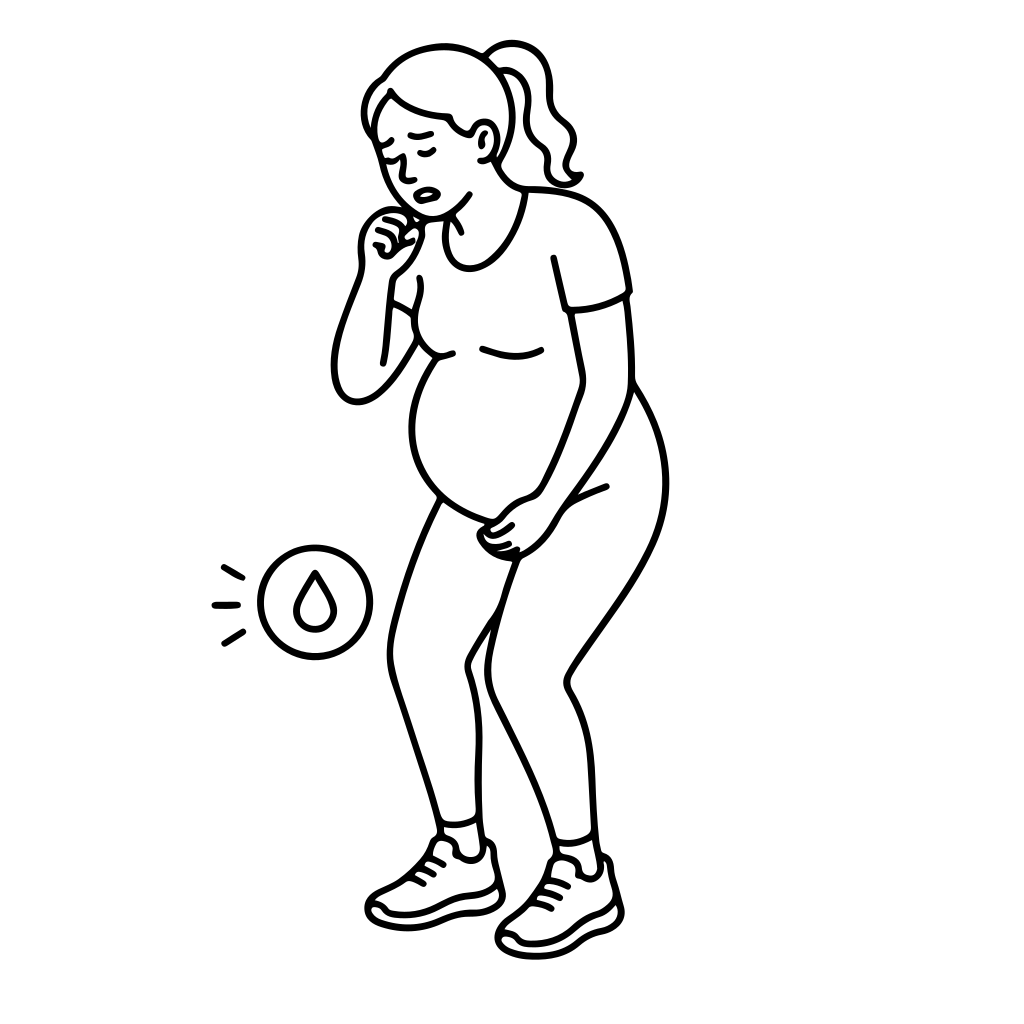
Loss of Bladder Control and Leakage
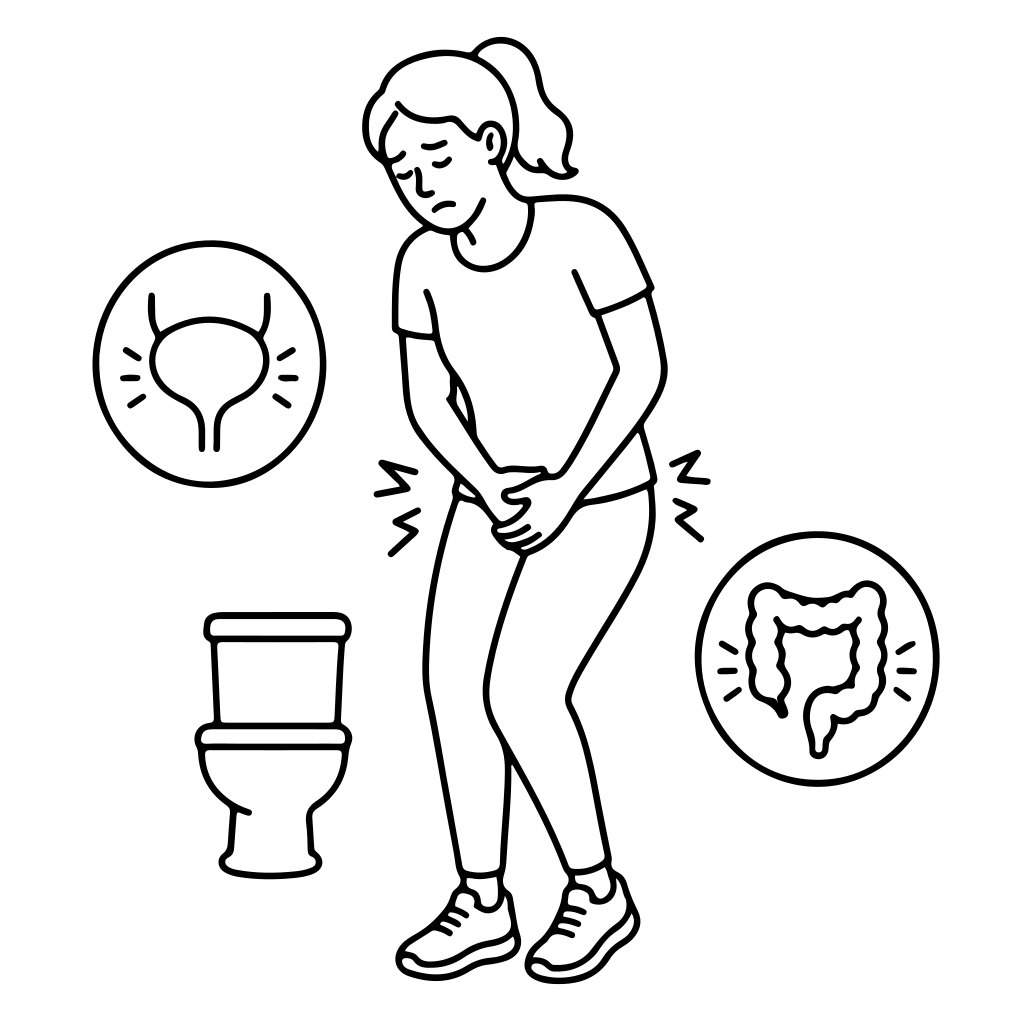
Bowel and Digestive Changes
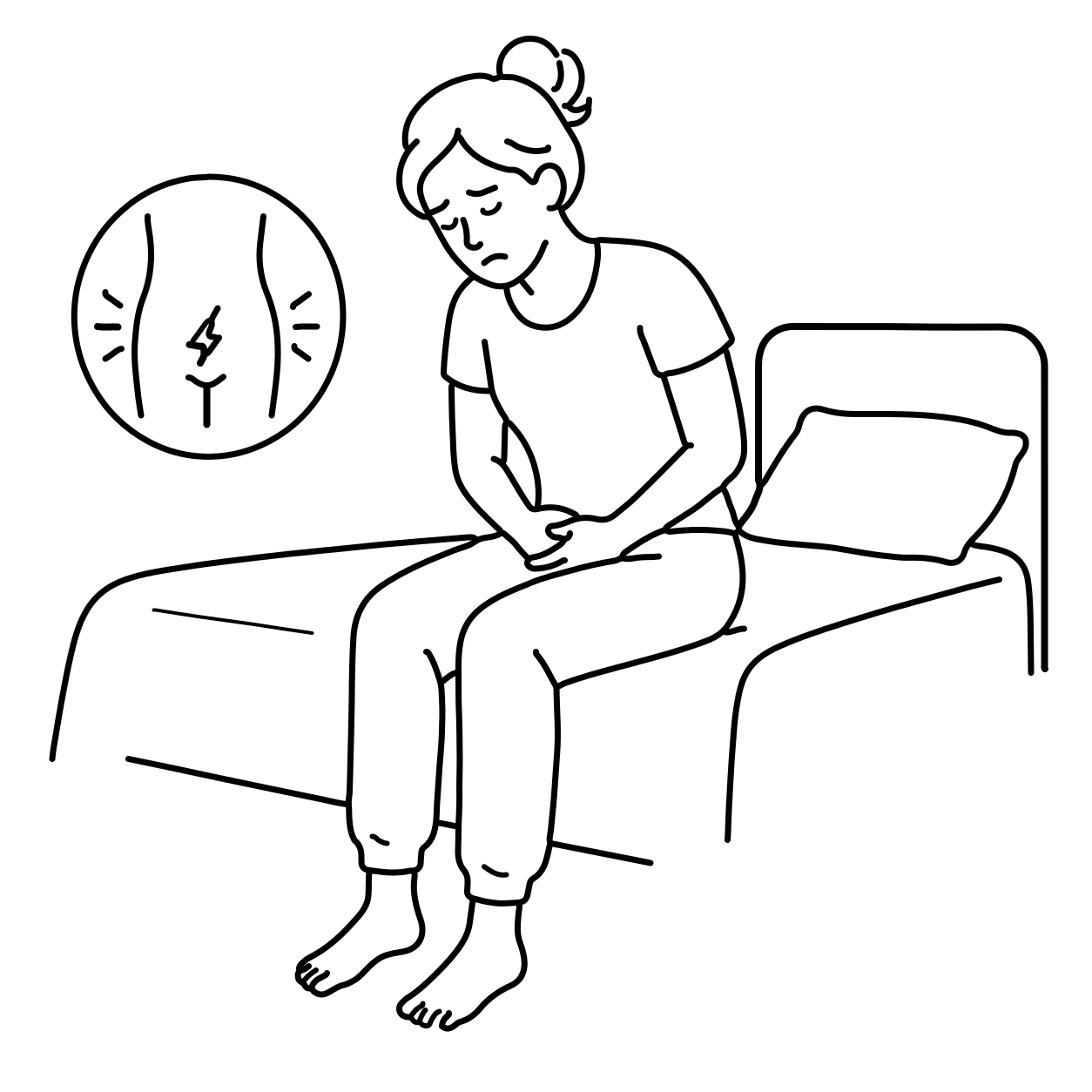
Pain or Discomfort With Intimacy
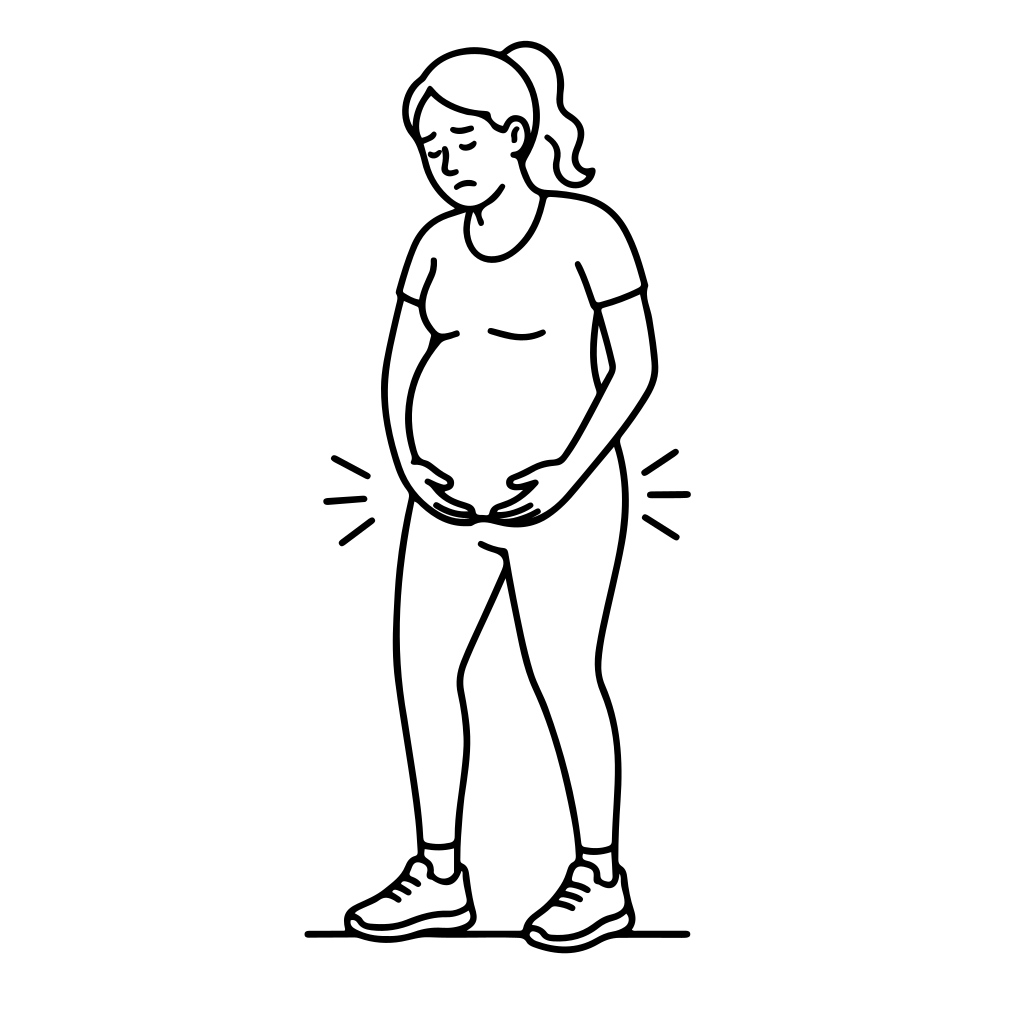
Heaviness or Pressure in the Pelvic Area

Pain in the Hips, Lower Back, or Tailbone
Pelvic Spasms or Unusual Sensations
A Specialized Approach to How Your Body Functions
Pelvic health physical therapy focuses on how the muscles, joints, and systems in your body work together to support movement, stability, and control. Rather than treating symptoms in isolation, this approach helps identify the underlying cause of what you’re experiencing and builds a plan to improve function over time.
If your symptoms are affecting how you move, exercise, or feel in your body, this is often something that can improve with the right support.
→ Focuses on pelvic floor function and whole-body movement
→ Identifies root causes, not just symptoms
→ Tailored to your body, goals, and stage of life

A Clear and Proven Process
Free Mini Consultation
Detailed Evaluation
Personalized Care Plan
Ongoing Pelvic Health Support

Why Pelvic Health Expertise Makes a Difference
Pelvic health conditions are often complex and may not be fully addressed in general physical therapy settings. A specialized approach allows for more precise evaluation, clearer explanations, and treatment that directly targets the systems involved.
This level of focus helps you move forward with greater confidence—knowing what’s happening and what can improve.
→ Dedicated focus on pelvic health conditions
→ Experience with pregnancy, postpartum, and long-term symptoms
→ One-on-one care designed for your specific needs
Common Questions About Pelvic Health Physical Therapy
How is pelvic health physical therapy different from general physical therapy?
Pelvic health physical therapy focuses specifically on how the pelvic floor and surrounding muscles work together to support movement, stability, and control. While general physical therapy may address broader musculoskeletal issues, pelvic health therapy takes a more specialized approach to symptoms like pain, leakage, pressure, and coordination. This allows for a more precise evaluation and treatment plan tailored to how your body is functioning.
What kinds of symptoms can pelvic health therapy help with?
Pelvic health therapy can help with a wide range of symptoms, including pain, leakage, pressure, core instability, bowel or bladder changes, and discomfort during movement or activity. These symptoms can show up in everyday life and are often connected to how the pelvic floor is functioning. The goal is to understand what’s contributing to these symptoms and improve how your body moves and responds.
Do I need a physician’s referral to get started?
No. In most states, including Ohio, you can begin care with a physical therapist without a referral.
If needed, we can coordinate with your primary care provider or other members of your medical team to ensure your care is aligned and well-supported.
What happens during an evaluation?
An evaluation takes place in-person after the mini consultation. The evaluation focuses on understanding how your body is moving and functioning as a whole. This includes discussing your symptoms, reviewing your history, and assessing strength, coordination, and movement patterns. The goal is to identify what may be contributing to your symptoms and create a clear plan for moving forward.
Is pelvic health therapy only for pregnancy and postpartum?
No. While pelvic health therapy is commonly associated with pregnancy and postpartum care, it can support a wide range of individuals, including men and those experiencing symptoms unrelated to childbirth. This includes pain, post-surgical recovery, movement limitations, and long-standing conditions.
Do you offer pelvic health physical therapy for men?
Yes. Men can experience many of the same pelvic health symptoms as women, including pain, pressure, bladder or bowel changes, and discomfort during movement or daily activities. These symptoms are often related to how the pelvic floor and surrounding muscles are functioning—and many can improve with the right support.
Juniper OB PT also works with men experiencing symptoms more specific to male pelvic health, including pelvic or testicular pain, discomfort after prostate procedures, erectile dysfunction, tailbone pain, and ongoing tension or discomfort in the pelvic region.
A mini consultation is the best way to better understand what’s contributing to your symptoms and whether pelvic health therapy may help.
How do I know if pelvic health therapy is right for me?
If something doesn’t feel right—whether it’s pain, discomfort, leakage, or difficulty with movement—it may be worth taking a closer look. Pelvic health therapy is designed to help you understand what’s happening and whether treatment could help. A mini consultation is a simple way to explore your options and decide what the right next step is.
What Improving Can Feel Like
Move More Comfortably
Feel More Stable
Regain Control

Return to Activity