Understand What’s Happening. Move with Confidence Again.
If Something Feels Off, You’re Not Imagining It
During pregnancy or after childbirth, many women notice changes in how their body feels or moves. You might feel less stable, more uncomfortable, or unsure what’s normal. It’s common to wonder whether these symptoms will go away on their own—or if they’re just something you need to live with. In many cases, they can improve with the right support.
Common Experiences
→ Urinary leakage when running, lifting, coughing or sneezing
→ Sensation of pressure, heaviness, or bulging in the vagina or rectum
→ Pain, discomfort or difficult with control during or after sexual intercourse
→ Pain, muscle spasms or unexplained vibrations in the pelvis, vagina or perineum
→ Pain after surgery in the abdominal, genital or pelvic area

We Specialize In Pelvic Health Care, Built Around Movement
Juniper OB PT is a pelvic health physical therapy practice focused on helping you understand how your body is functioning—and how to restore it. Rather than treating pelvic symptoms in isolation, care is designed to improve strength, stability, and coordination so you can move through daily life with more confidence. If your symptoms are affecting how you move or what you’re able to do, this is often something that can improve.
→ Focused exclusively on pelvic health conditions
→ One-on-one care tailored to your body and goals
→ Designed to support exercise, daily movement, and recovery
Understand What Your Symptoms May Be Telling You
Leaking When You Move or Exercise
You might notice urinary leakage when running, jumping, lifting, or even coughing or sneezing—especially when you’re trying to stay active. This often happens when the pelvic floor isn’t coordinating well with the rest of your core, so it can’t manage pressure effectively during movement. It’s common after pregnancy, during postpartum recovery, or when returning to higher-impact activity. Pelvic health therapy focuses on improving how these muscles work together—building strength where needed and retraining coordination and timing. With the right support, many people are able to reduce or eliminate leakage and return to exercise and daily movement with more confidence.
Needing to Go Often or Feeling a Sudden Urge
You might feel like you need to urinate more often than usual, or experience a sudden, hard-to-ignore urge that’s difficult to control. This can happen when the pelvic floor muscles and bladder signals aren’t working together smoothly, causing the system to become more reactive or sensitive. It’s often linked to stress, changes in routine, surgery, or periods of increased physical or emotional strain. Pelvic health therapy helps retrain how these muscles and signals work together—improving control, reducing urgency, and calming the system. Over time, many people are able to go longer between bathroom visits and feel more relaxed and in control.
A Feeling of Pressure or Heaviness in the Pelvic Area
You might notice a sense of heaviness, pressure, or a feeling like something is “dropping” in the pelvis, especially after standing, lifting, or being on your feet for long periods. This can happen when the pelvic floor and surrounding support structures are under strain and not providing the support your body needs. It’s commonly experienced after pregnancy, surgery, or with repeated physical stress over time. Pelvic health therapy focuses on improving support, coordination, and how pressure is managed through your core and pelvis. With the right approach, many people feel more supported and comfortable during movement and daily activity.
Feeling Weak or Unsupported Through Your Core
You might feel like your core isn’t engaging the way it used to—especially when lifting, exercising, or moving quickly. This often reflects a coordination issue between the pelvic floor, abdominal muscles, and breathing system, rather than just a lack of strength. It’s common after pregnancy, injury, surgery, or periods of reduced activity. Pelvic health therapy helps reconnect these systems, improving how your body stabilizes and responds during movement. As this improves, many people feel more supported, balanced, and confident in their body again.
Straining or Difficulty with Bowel Movements
You may find yourself straining, feeling incomplete after going, or having difficulty with regular bowel movements. This can happen when the pelvic floor muscles aren’t relaxing properly or coordinating well during the process. It’s often linked to muscle tension, habits formed over time, or changes after surgery, childbirth, or stress. Pelvic health therapy focuses on improving muscle relaxation, coordination, and positioning to make bowel movements easier and more efficient. Many people experience less strain, improved regularity, and greater comfort over time.

Pain or Discomfort with Intimacy
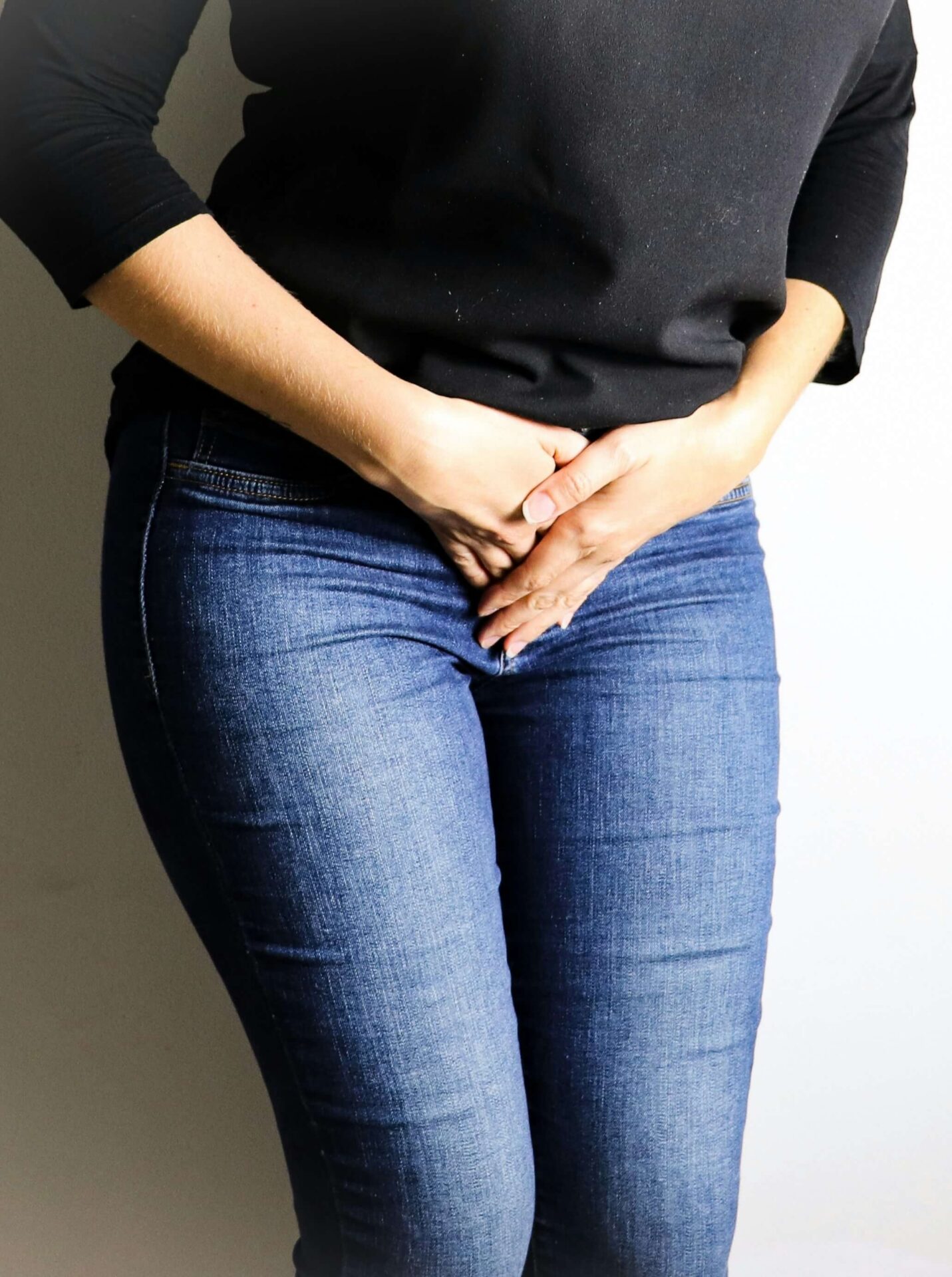
You might experience pain, discomfort, or a lack of control during or after sexual activity, which can affect both physical comfort and overall confidence. This often relates to how the pelvic floor muscles are functioning—whether they are too tight, not coordinating well, or not providing the right support. These changes can occur after injury, surgery, childbirth, or without a clear starting point. Pelvic health therapy works to improve muscle flexibility, coordination, and control, helping reduce discomfort and restore function. Over time, many people experience improved comfort, confidence, and ease during sexual intercourse.
Pain, Spasms, or Unusual Sensations in the Pelvic Area
You may feel sharp pain, muscle spasms, or unusual sensations like tingling or vibration in areas such as the pelvis, vagina or perineum. These symptoms can be confusing and sometimes appear without an obvious cause. They are often related to muscle tension, nerve sensitivity, or how the pelvic floor is responding to stress or past injury. Pelvic health therapy focuses on reducing tension, calming sensitivity, and restoring normal muscle function. As these systems improve, many people notice a reduction in discomfort and a more stable, predictable feeling in their body.
Lingering Pain After Surgery
After surgery—whether abdominal, pelvic, organ, musculoskeletal or bone —you may notice ongoing discomfort, tightness, or difficulty moving the way you used to. This can happen as the body heals, especially if muscles, nerves, or connective tissue are affected. It’s common after routine, cosmetic or reconstructive procedures involving the abdomen, pelvis, genitals or surrounding structures. Pelvic health therapy helps restore movement, improve tissue mobility, and rebuild strength and coordination. With guided recovery, many people are able to move more comfortably and return to their normal routines.
Pain in the Hips, Lower Back, or Tailbone
Pain in the hips, lower back, or tailbone is often connected to how the pelvic floor and surrounding muscles are working together. You may notice discomfort when sitting, standing, or moving through your day. This can develop gradually or after injury, changes in activity, or prolonged stress on the body. Pelvic health therapy looks at how these areas interact, improving movement patterns, strength, and support. As function improves, many people experience less pain and greater ease in everyday movement.
Discomfort During Exercise or Physical Activity
You might notice discomfort, pressure, or strain during activities like running, lifting, cycling, or other forms of exercise—even if you’re otherwise healthy and active. This often happens when the pelvic floor and core aren’t managing load and pressure efficiently during movement, especially with higher-impact or repetitive activities. It’s common among individuals who regularly train, push their limits, or return to activity after a break or life transition. Pelvic health therapy focuses on improving strength, coordination, and how your body responds under load, so movement feels more supported and controlled. With the right guidance, many people are able to continue training, perform at a higher level, and return to the activities they enjoy without discomfort.
Start Where You Are

Pregnancy Support

Postpartum Recovery

Persistent Pain Relief

Return to Full Life
A Clear, Supportive Path Forward
Free Mini Consultation
Detailed Evaluation
Personalized Care Plan
Ongoing Pelvic Health Support
What Moving Better Can Feel Like
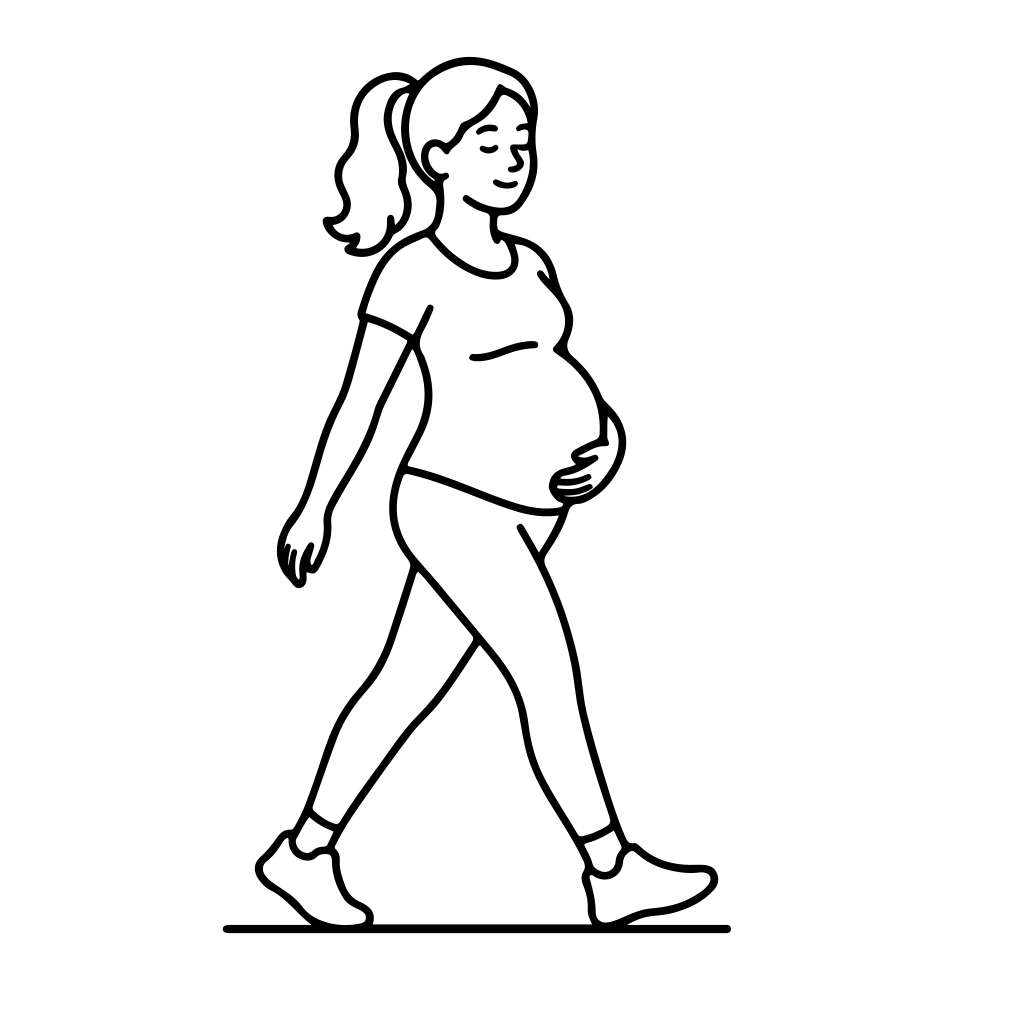
Move More Comfortably
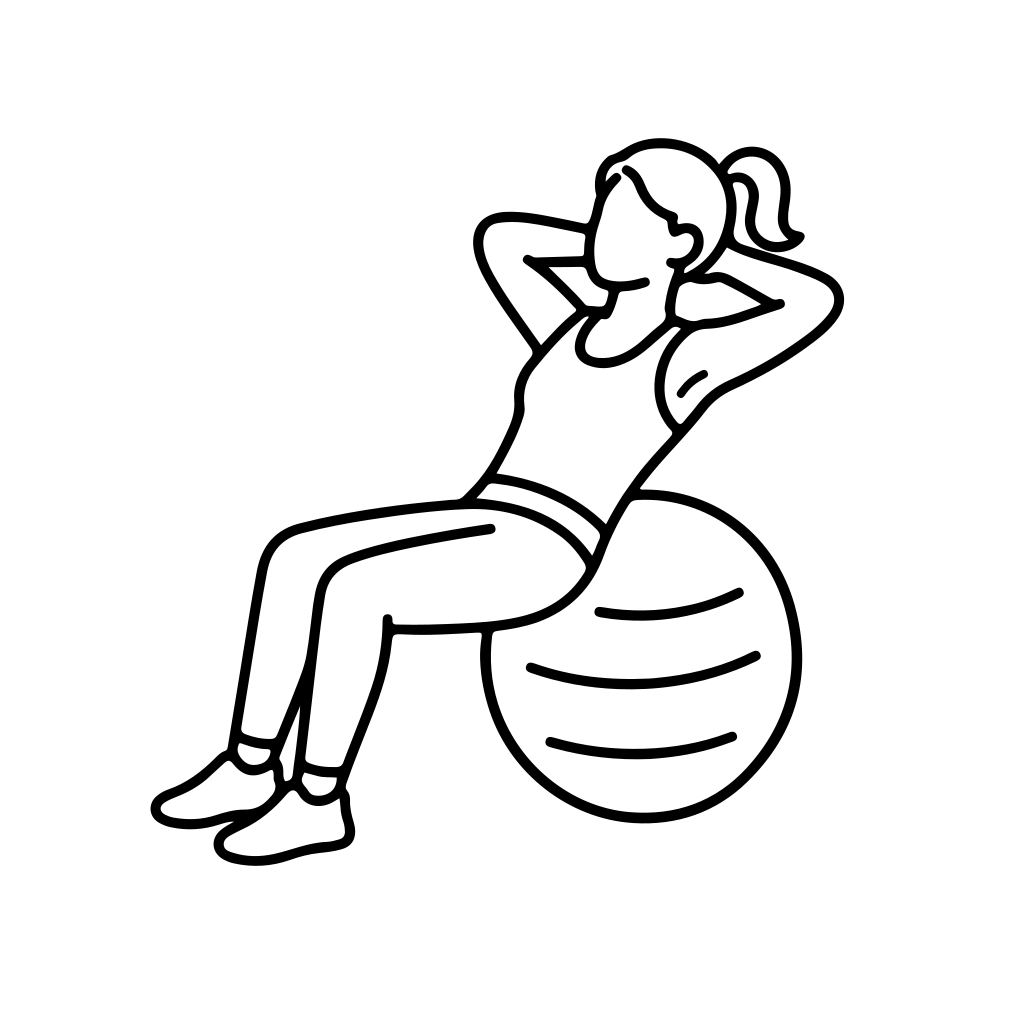
Feel More Stable
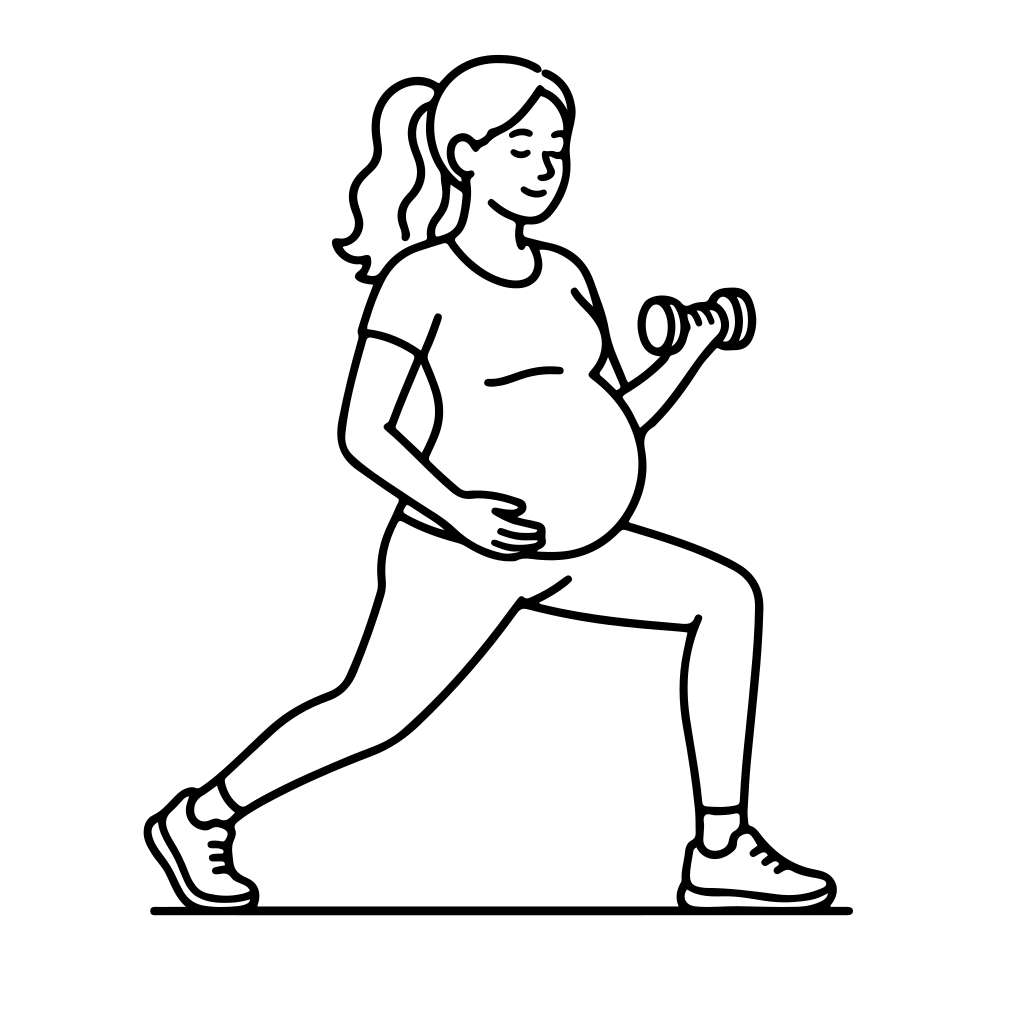
Regain Control
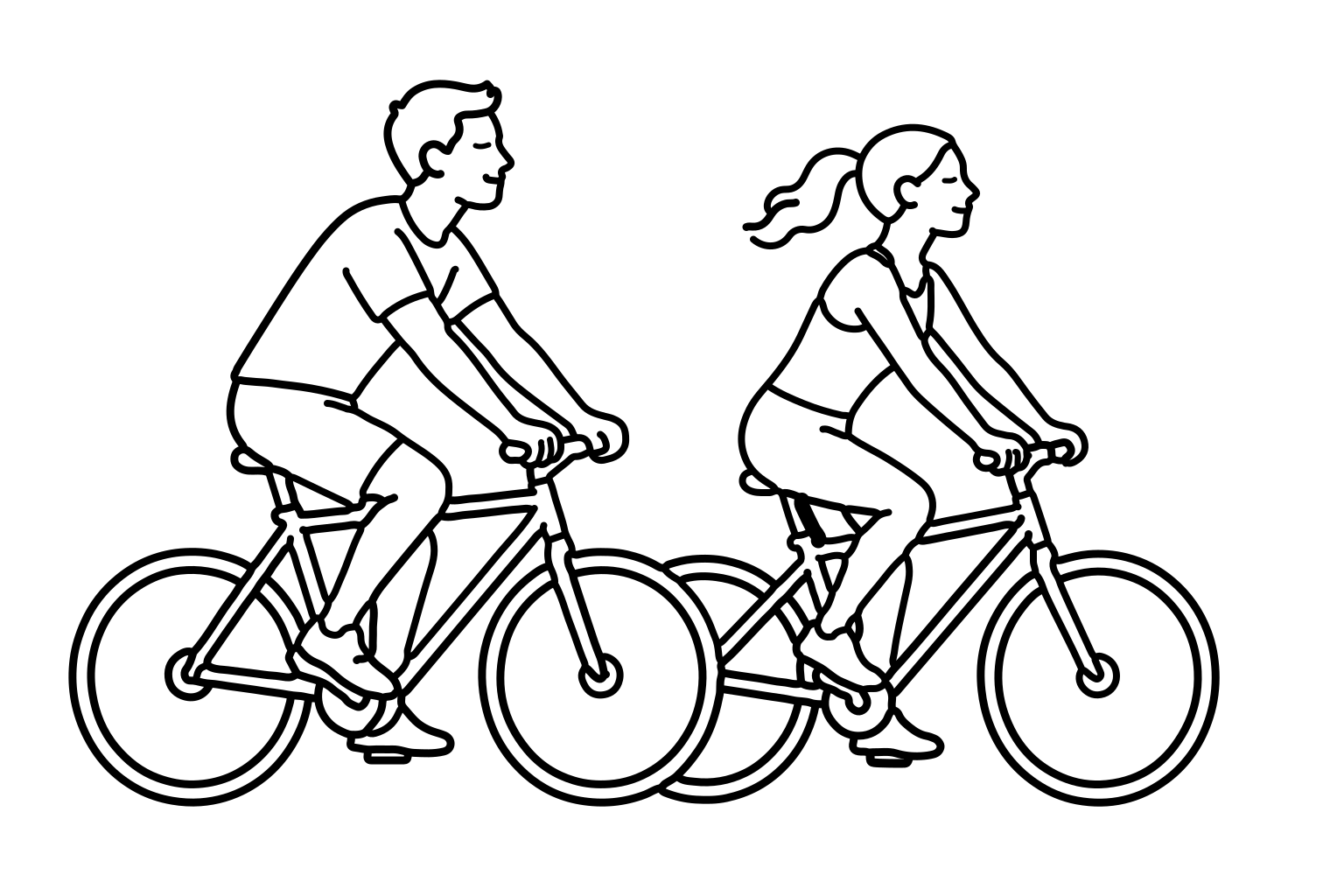
Return to Activity